



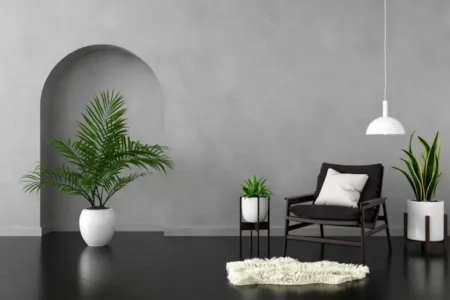
You can walk into two homes with similar furniture and feel completely different. One feels calm and easy to live in, the other feels cluttered or slightly uncomfortable. That difference comes from how the space is organized, not just what is inside it. Interior design is not about decoration first. It is about how your home supports your daily life. When space works well, you move naturally, you don’t think about where things are, and the environment feels lighter.
Why Space Planning Matters More Than Furniture
Many people start with furniture, but layout should come first. If the flow of the room is wrong, even expensive pieces won’t fix it. You notice this when you have to walk around objects awkwardly or adjust your movement constantly. Good space planning creates clear paths and keeps areas open where they need to be. Each zone in the room should have a purpose. When that structure is clear, everything else becomes easier to place.
How Minimalism Improves Comfort Without Removing Personality
Minimalism is often misunderstood as empty space. In reality, it is about removing what you don’t need so what remains can stand out. Too many objects create visual noise, which makes the brain work harder without you noticing it. When you reduce unnecessary items, the space feels calmer. That does not mean removing personality. It means choosing fewer things that actually matter and placing them intentionally.
Why Lighting Changes The Entire Feeling Of A Room
Lighting affects how a space feels more than color or furniture. Harsh light can make a room feel cold, while soft layered lighting creates warmth. Natural light plays a big role as well. When light flows through a space, it makes everything feel more open. Artificial lighting should support that effect. Using multiple light sources instead of one central light helps create balance. You feel more comfortable because the environment adapts to different moments of the day.
How Colors Influence Mood In Your Home
Color is not just visual. It affects how you feel in a space. Neutral tones often create calm and stability, while stronger colors add energy. The key is balance. Too many intense colors can feel overwhelming, while too many neutral tones can feel flat. When colors work together, the space feels cohesive. You don’t notice each element separately, but the overall mood feels right.
Why Storage Is The Hidden Part Of Good Design
Clutter usually comes from lack of storage, not from having too many things. When items don’t have a place, they stay visible and create tension in the space. Good storage keeps things accessible but out of sight. This allows the room to feel clean without constant effort. Built-in solutions or simple storage systems make a big difference. When everything has a place, maintaining the space becomes easier.
What A Well Designed Home Space Feels Like
A well designed space feels natural. You don’t think about where to move, where to sit, or where to place things. Everything works without effort. The room supports your routine instead of slowing it down. That feeling comes from thoughtful decisions, not expensive design. When space, light, and function align, your home becomes a place where you can actually relax instead of constantly adjusting to it.
Picture Credit: Freepik