



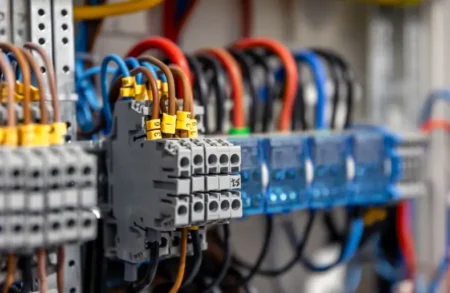
When people move into a new home, they focus on layout, design, and location. The electrical panel rarely gets attention. It looks clean, modern, and untouched, so it feels like there is nothing to worry about. But even in newer homes, the panel may not be designed for how you actually plan to live. Builders often install systems that meet minimum requirements, not future demand. At first everything works fine, yet as soon as you start adding devices, appliances, or upgrades, the system can begin to feel limited.
Why New Homes Still Face Power Limitations
A new home does not automatically mean a future-proof electrical system. Construction standards ensure safety, but they don’t always account for growing energy needs. Think about how quickly technology changes. Electric vehicles, smart home systems, home offices, high-powered kitchen equipment, all of these increase electrical demand. If the panel was designed only for basic usage, it may struggle once you start expanding. You might notice subtle signs like breakers tripping when multiple systems run at once or certain circuits feeling overloaded during normal use.
What Happens When A Panel Is Sized Too Small
An undersized panel creates constant pressure inside the system. It distributes power across circuits that are already close to their limits. This leads to unstable performance. Lights may dim slightly when appliances start, breakers trip more often, and you may find yourself adjusting how you use electricity just to avoid problems. Over time this pressure affects the entire system. Wires heat up more frequently, components wear down faster, and the risk of failure increases. Even though the home is new, the system behaves like it is under strain.
Why Planning For Future Power Use Matters
The way people use electricity keeps expanding. What feels like enough today may not be enough in a year or two. Installing a stronger panel early allows the system to grow with your needs instead of forcing upgrades later under pressure. A properly sized panel supports additional circuits, higher loads, and future installations without disrupting the system. This is especially important for homeowners planning upgrades like electric vehicle chargers, outdoor systems, or expanded living spaces.
When It Makes Sense To Upgrade Even In A New Property
Many homeowners wait until problems appear before considering an upgrade. However upgrading early can actually be more efficient. If you already know your usage will increase, preparing the system in advance prevents limitations and avoids repeated adjustments later. A professional evaluation helps determine whether your current panel matches your actual needs. Companies like CA Electrical Group 24/7 assess system capacity and install panels designed to handle modern electrical demand, ensuring the home stays stable as your lifestyle evolves.
Why A Proper Electrical System Changes How A Home Feels
When your electrical system matches your lifestyle, everything works without friction. You don’t think about what you can or cannot turn on. Appliances run smoothly, lighting stays consistent, and the system feels reliable in the background. That sense of stability becomes part of daily life. In a new home especially, setting up the right foundation from the beginning makes a difference. Instead of reacting to problems later, you create a system that supports how you actually live from day one.
Picture Credit: Freepik