



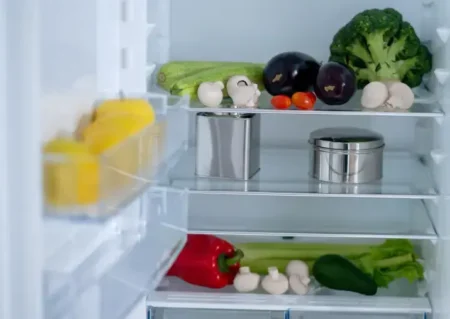
Your refrigerator keeps food fresh, but how clean is it really? Even if the shelves look spotless, small spills, forgotten leftovers, and moisture can create unpleasant odors and allow bacteria to spread. Because you open your fridge several times a day, keeping it clean is an important part of everyday kitchen hygiene.
Fortunately, refrigerator maintenance does not require hours of scrubbing every week. A few simple habits can help you prevent messes, protect your food, and keep your fridge organized without turning cleaning into a major chore.
1. Clean Small Spills Immediately
One of the easiest ways to maintain a clean refrigerator is to deal with spills as soon as they happen. Milk, juice, sauces, and food residue can become sticky and difficult to remove if you leave them for several days. Use a clean cloth and warm, soapy water to wipe affected surfaces, then rinse and dry them. Pay special attention to shelf edges, drawer corners, and areas beneath containers. Quick cleaning prevents buildup and reduces the chance that spilled liquids will contaminate other foods. Keep a separate cleaning cloth or disposable towels available for refrigerator messes.
2. Give Your Refrigerator a Regular Deep Cleaning
Even with daily maintenance, your refrigerator needs a more thorough cleaning from time to time. For many households, cleaning the interior every three to four months provides a reasonable starting point, although frequent spills may require more attention. Remove food, shelves, and drawers according to the manufacturer’s instructions. Wash removable components with mild dish soap and water, and avoid exposing cold glass shelves to sudden temperature changes. Wipe interior walls, door compartments, and other surfaces before drying everything thoroughly. Keep perishable food safely chilled while you work, and avoid leaving it at room temperature for extended periods.
3. Check Expiration Dates and Forgotten Leftovers
A clean refrigerator should also contain food that remains safe to eat. Check stored items regularly and remove anything spoiled, moldy, or questionable. Most cooked leftovers should stay in the refrigerator for no longer than three to four days. Use airtight containers and label prepared meals with the date when you store them. Remember that expiration dates do not always indicate food safety, and some foods can become unsafe before they develop an unpleasant smell. Following appropriate storage times helps reduce food waste while lowering the risk of foodborne illness.
4. Organize Food to Prevent Cross-Contamination
How you arrange food inside the refrigerator matters as much as how often you clean it. Store raw meat, poultry, and seafood in sealed containers or leakproof packaging on the lowest suitable shelf so their juices cannot drip onto ready-to-eat foods. Keep fruits, vegetables, dairy products, and prepared meals in appropriate compartments. Avoid overcrowding shelves because cold air needs room to circulate. A clear organization system also helps you find ingredients quickly and notice forgotten products before they spoil.
5. Keep the Refrigerator at the Right Temperature
A clean refrigerator cannot protect food properly if its temperature rises too high. Keep the refrigerator at 40°F (4°C) or below and the freezer at 0°F (-18°C). A separate appliance thermometer can help you check actual temperatures rather than relying only on the refrigerator’s settings. Avoid leaving the door open while deciding what to eat, and make sure containers do not prevent the door from closing completely. Check the door seals for damage or accumulated dirt that could interfere with a proper seal. Consistent temperatures help slow bacterial growth and maintain food quality.
6. Remove Odors Instead of Covering Them Up
An unpleasant refrigerator smell usually signals that something needs attention. Before reaching for air fresheners or scented products, inspect food containers, drawers, and hidden corners for spills or spoiled ingredients. Remove the source and clean the affected area thoroughly. An open container of baking soda may help absorb some odors, but it cannot replace proper cleaning or safe food storage. Avoid using strongly scented cleaning products inside the refrigerator because lingering fragrances may affect the smell of stored food.
7. Don’t Forget Door Seals and Exterior Surfaces
Refrigerator maintenance involves more than cleaning the shelves. Door gaskets can collect crumbs, moisture, and sticky residue, especially around their folds. Wipe them gently with mild soapy water and dry them afterward. Clean handles regularly because people touch them throughout the day, often while preparing food. You should also check the manufacturer’s instructions for cleaning condenser coils or other accessible components. Some refrigerators require periodic coil maintenance, while others have designs that need little attention. Proper exterior maintenance can support efficient operation and help you notice developing problems.
Final Thoughts
Keeping your refrigerator clean comes down to consistent habits rather than occasional intensive scrubbing. Wipe spills immediately, check leftovers regularly, organize food safely, and maintain the correct temperature. Add periodic deep cleaning and attention to door seals, drawers, and exterior surfaces to keep everything in good condition. A well-maintained refrigerator makes everyday cooking easier, reduces unnecessary food waste, and helps protect your household from avoidable food safety risks.
FAQ
How often should you clean your refrigerator?
Wipe spills immediately and check for spoiled food at least once a week. A more thorough interior cleaning every three to four months works for many households, although refrigerators with frequent spills or heavy use may need attention sooner.
What is the safest way to clean inside a refrigerator?
Use warm water and mild dish soap for routine cleaning, then rinse and dry the surfaces. Follow the manufacturer’s instructions for removable parts and avoid harsh or strongly scented chemicals. If you need to sanitize after contamination, use a food-contact-safe method appropriate for the situation.
How can I prevent bad smells in my refrigerator?
Store food in sealed containers, remove spoiled products promptly, and clean spills before they dry. Check drawers and hidden corners regularly. Baking soda may help with some lingering odors, but finding and removing the source remains the most effective approach.
What temperature should a refrigerator be?
Keep your refrigerator at 40°F (4°C) or below and your freezer at 0°F (-18°C). Use an appliance thermometer to confirm the temperature, especially if your refrigerator lacks a digital display. Avoid overcrowding shelves and make sure the doors close securely.
Picture Credit: Magnific