



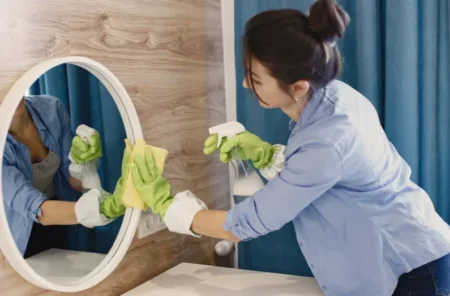
You vacuum the floors, wipe every surface, clean the kitchen, and organize each room. For a day or two, everything feels fresh. Then the dust returns, fingerprints appear on the windows, crumbs find their way back onto the floor, and the house somehow feels messy again. If this sounds familiar, you’re not cleaning incorrectly. The truth is that keeping a home clean isn’t about working harder—it’s about understanding how dirt enters and accumulates inside your home.
Dust Never Stops Entering Your Home
Many people assume dust comes only from outside, but that’s only part of the story. A significant amount of household dust is generated indoors. Tiny fabric fibers, dead skin cells, pet dander, pollen, and particles carried through ventilation systems continuously circulate throughout the house.
Every time a door opens or the HVAC system turns on, new particles begin settling on furniture and floors. This is why even recently cleaned homes collect dust surprisingly quickly.
The Kitchen Gets Dirty Faster Than Any Other Room
The kitchen experiences constant activity. Cooking releases grease into the air, food particles settle onto surfaces, and moisture creates conditions where dirt sticks more easily.
Regular wiping of countertops is important, but deep cleaning should also include cabinet doors, backsplashes, appliance handles, range hoods, and the areas behind small appliances where grease and crumbs gradually build up.
Bathrooms Need More Than Surface Cleaning
Bathrooms deal with constant humidity, making them one of the easiest places for soap residue, mineral deposits, and mold to develop.
Good ventilation is just as important as regular cleaning. Running an exhaust fan or opening a window after a shower helps reduce moisture that can lead to mildew and unpleasant odors.
Small Daily Habits Prevent Major Cleaning
One reason some homes stay cleaner longer is that the owners focus on maintenance instead of waiting until everything becomes dirty.
Simple habits such as putting items back immediately, wiping spills when they happen, removing shoes at the entrance, and cleaning the sink after use prevent dirt from accumulating into larger cleaning jobs.
Decluttering Makes Every Cleaning Task Easier
Every decorative object, stack of papers, or unnecessary item creates another surface where dust can collect.
A well-organized home is not only easier to clean—it also looks cleaner because there are fewer visual distractions and fewer places for dirt to hide.
Do Not Forget Hidden Areas
Some of the dirtiest places in a home are rarely included in routine cleaning. Ceiling fans, baseboards, window tracks, air vents, behind furniture, and under appliances quietly collect dust for months.
Cleaning these forgotten areas several times a year can noticeably improve both cleanliness and indoor air quality.
The Right Tools Matter
Effective cleaning depends as much on the tools as on the effort. High-quality microfiber cloths trap dust instead of simply moving it around. Vacuum cleaners with HEPA filters help capture fine particles rather than releasing them back into the air.
Choosing the right equipment often reduces both cleaning time and the amount of effort required.
A Clean Home Is Built Through Consistency
Deep cleaning every few months is helpful, but consistent maintenance is what keeps a home looking fresh year-round.
Spending 15 to 20 minutes each day on small cleaning tasks is often far more effective than dedicating an entire weekend to catching up on accumulated mess.
Final Thoughts
A home will never stay perfectly clean forever, and that’s completely normal. Dust, dirt, and everyday life are unavoidable. The goal is not perfection but creating routines that make cleaning easier and prevent small messes from becoming overwhelming.
By understanding where dirt comes from and maintaining consistent habits, homeowners can enjoy a cleaner, healthier, and more comfortable living environment with far less effort.
FAQ
Why does my house get dusty so quickly even after cleaning?
This is one of the most common questions discussed on homeowner forums. Dust comes from multiple sources, including clothing fibers, bedding, pets, outdoor pollen, ventilation systems, and even people. Regularly changing HVAC filters, vacuuming with a HEPA-filter vacuum, and reducing clutter can noticeably slow dust accumulation.
Should I dust or vacuum first?
Most cleaning professionals recommend dusting first and vacuuming second. Dusting causes particles to fall onto the floor, where they can then be removed by the vacuum instead of settling back onto furniture.
How often should I deep clean my home?
For most households, deep cleaning every three to six months is enough. High-traffic areas such as kitchens and bathrooms may need more frequent attention, while tasks like cleaning behind appliances, washing baseboards, and dusting ceiling fans are commonly done seasonally.
What’s the biggest mistake people make when cleaning?
According to many discussions from professional cleaners and homeowners online, the biggest mistake is using too much cleaning product. Excess cleaner often leaves behind a sticky residue that attracts more dust and dirt, making surfaces look dirty again much sooner. Less product, combined with proper technique, usually produces better results.
Picture Credit: Magnific