



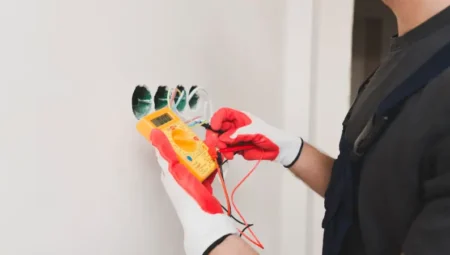
Many homeowners notice their electricity bills increasing every year even when their habits stay mostly the same. At first people blame utility rates or seasonal changes, but in many cases the house itself is wasting energy quietly in the background. Electrical systems lose efficiency over time, especially when wiring, panels, and connections begin aging under modern demand.
How Old Wiring Wastes Electricity
Electricity moves through wiring with resistance. In newer systems this process remains stable and efficient. But as wiring ages, connections loosen, corrosion develops, and resistance increases.
When resistance rises, more energy turns into heat instead of usable power. The homeowner usually never sees this directly, but the system begins consuming more electricity simply to maintain normal operation.
Why Overloaded Circuits Reduce Efficiency
Modern homes place much heavier demand on electrical systems than older properties were designed to support. Multiple appliances, entertainment systems, computers, HVAC equipment, and chargers often operate simultaneously for long periods.
When circuits remain overloaded constantly, electrical flow becomes less stable and components heat up more frequently. This does not only increase wear. It also reduces overall efficiency across the system.
How Faulty Connections Increase Power Consumption
Loose or deteriorating electrical connections create unstable current flow. The system compensates by working harder to deliver consistent power to appliances and outlets.
This hidden inefficiency often develops slowly over years. Homeowners may only notice small symptoms like flickering lights or warm outlets, while energy waste continues building in the background every day.
Why Older Panels Struggle With Modern Energy Demand
Electrical panels distribute power throughout the house. Older panels were built for a completely different era of residential energy use.
As modern consumption increases, aging panels often operate near capacity continuously. This creates stress inside the system and may reduce how efficiently electricity moves through the home overall. In some cases, outdated panels also fail to regulate load distribution properly.
How Poor Electrical Performance Affects Appliances
Inefficient electrical systems affect appliances directly. HVAC systems, refrigerators, washers, and electronics all perform best with stable voltage and consistent current.
When power delivery fluctuates, appliances may draw additional energy to compensate. Over time this not only increases electricity costs but also shortens equipment lifespan because components operate under continuous strain.
Why Small Symptoms Often Signal Bigger Problems
Many electrical issues appear subtle at first. Lights dim briefly, breakers trip occasionally, outlets stop working consistently, or devices charge more slowly than before.
People often ignore these signs because the house still functions normally overall. But these symptoms frequently indicate deeper inefficiencies developing inside the electrical infrastructure.
Why Professional Electrical Evaluation Matters
Energy inefficiency connected to electrical systems is difficult to diagnose without proper inspection. Wiring integrity, panel condition, load balancing, and connection stability all influence how efficiently a home uses power.
Companies like CA Electrical Group often inspect residential systems to identify hidden electrical issues that contribute to unnecessary energy loss, especially in older homes adapting to modern electrical demand.
What An Efficient Electrical System Feels Like
When an electrical system operates properly, the entire home feels more stable. Appliances run consistently, lights remain steady, and energy usage becomes more predictable.
The difference is not only financial. A properly functioning system reduces strain throughout the home, improves safety, and supports modern energy demands without constantly operating under hidden pressure.
Picture Credit: Magnific